
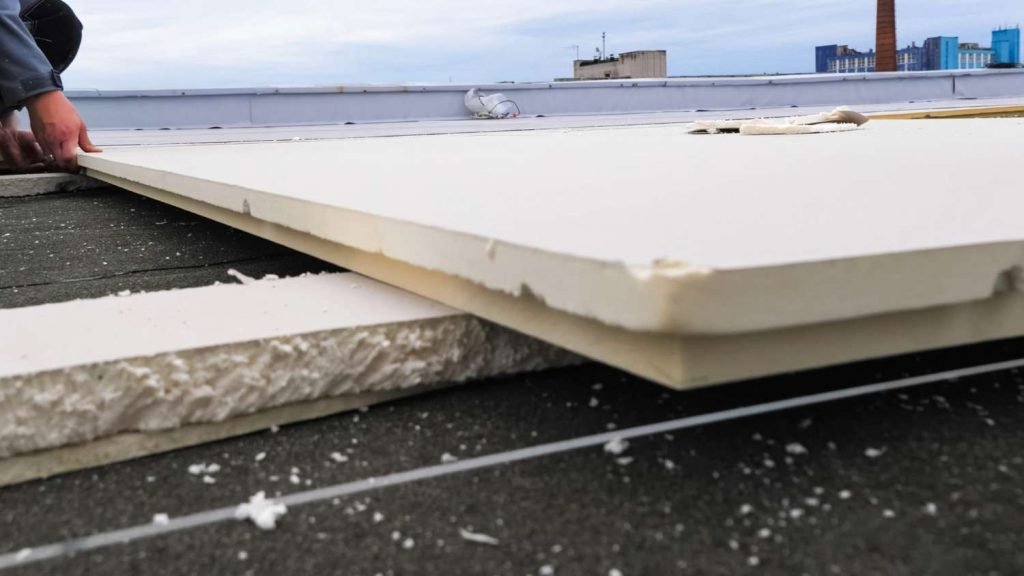
When installing insulation under metal roofing, you’ll need to start by choosing the right insulation type for your climate, considering factors like energy efficiency and durability. Then, clear the area and inspect your roof for damage, ensuring ventilation is adequate.
Next, measure the roof area to calculate how much insulation you’ll need. You’ll need to cut insulation to size and secure it with the correct fastening system while ensuring a proper fit with structural elements.
Installing insulation correctly will also involve adding a vapour barrier and underlayment. Stay tuned to find expert advice and precise steps to tackle each task effectively.
Key Takeaways
- Choose the right insulation type based on climate, budget, and roof type, considering factors like R-values and energy efficiency.
- Prepare the roofing space by clearing debris, inspecting for damage, and ensuring ventilation to prevent moisture buildup.
- Measure the roof area accurately, accounting for complexity, pitch, and existing features like vents and skylights.
- Cut insulation panels to size using the correct tools and techniques, wearing protective gear to avoid exposure to materials.
- Secure insulation in place using mechanical fasteners, adhesives, or spray foam, depending on the insulation type and local codes.
Choosing the Right Insulation
When it comes to insulating under metal roofing, one essential decision you’ll make is choosing the right insulation. This choice can greatly impact your building’s energy efficiency and overall comfort. You’ll want to examine various insulation types, each with its unique benefits and drawbacks.
Popular Insulation Types
- Fiberglass batts: A cost-effective option, easy to install, and widely available.
- Reflective insulation: Ideal for warm climates, as it reflects radiant heat rather than absorbs it.
- Rigid foam insulation: Offers high R-values, making it perfect for colder climates.
- Spray foam insulation: Provides excellent thermal performance and can fill gaps and cracks.
Evaluate Energy Efficiency
When selecting insulation, prioritize energy efficiency. Look for products with high R-values, which measure thermal resistance. A higher R-value indicates better insulation performance. Also, assess the insulation’s durability and maintenance requirements. Review your climate, budget, and specific needs to make an informed decision.
Preparing the Roofing Space
Now that you’ve chosen the right insulation for your metal roof, it’s time to prepare the roofing space.
Clear the area of any debris, tools, or obstructions that could hinder the installation process. Remove any old insulation material, and inspect the roof for damage or weaknesses that need to be addressed before proceeding.
Clear the Roof Space
You’ll often find that the space under metal roofing is cluttered with debris, old insulation, or even leftover construction materials. Clearing the roof space is essential to guarantee a smooth installation process and maximum performance of your new insulation.
Start by removing any loose debris, such as leaves or twigs, that may have accumulated under the metal roofing. Before installing new insulation materials, make certain the space is clear and ready for the new installation. Check for any obstructions that may interfere with roof ventilation or the insulation itself.
Here are some key areas to focus on:
- Remove any leftover construction materials, such as old nails or screws
- Clear away any debris that may be blocking roof ventilation
- Check for any signs of water damage or leaks that need to be addressed
- Confirm the space is well-ventilated to prevent moisture buildup
Remove Old Insulation Material
Removing old insulation is a critical step in preparing the roofing space. The process varies based on insulation type:
- Fiberglass batts: Cut into sections using a utility knife or saw. Wear protective gear to avoid fibre exposure.
- Cellulose: Remove with a vacuum or blower, taking care not to spread material.
- Spray foam: This may require specialized equipment or professional assistance due to difficulty in removal.
General guidelines:
- Work from bottom to top to minimize debris spread
- Use a dust mask and safety glasses for protection
- Remove all insulation material carefully to avoid damaging metal roofing or structures
Proper removal ensures a clean surface for new insulation installation and prevents potential issues with the new system.
Check for Roof Damage
Before installing new insulation under your metal roofing, it’s crucial to thoroughly inspect the roof for any existing damage. This step is vital to ensure the longevity and effectiveness of your insulation installation.
Visual Inspection:
- Look for signs of rust, corrosion, or discolouration on the metal panels
- Check for any dents, scratches, or physical damage to the roofing material
- Inspect the seams and joints for any signs of separation or gaps
Structural Integrity:
- Examine the roof decking for any signs of sagging or unevenness
- Check for loose or missing fasteners, such as screws or nails
- Look for any areas where the metal panels appear to be lifting or separating from the underlayment
Water Damage:
- Look for water stains or discoloration on the underside of the roof decking
- Check for any signs of mould or mildew growth, which could indicate ongoing moisture issues
- Inspect the attic space for any evidence of leaks or water penetration
Ventilation:
- Ensure that all existing roof vents are clear and functioning properly
- Check that soffit vents are not blocked by insulation or debris
- Verify that ridge vents (if present) are intact and unobstructed
Flashing and Sealants:
- Inspect all flashing around chimneys, vents, and other roof penetrations
- Check the condition of any sealants or caulking used on the roof
- Look for any gaps or separations in the flashing that could allow water infiltration
If you discover any issues during your inspection, it’s important to address them before proceeding with the insulation installation. Minor problems like loose fasteners or small areas of corrosion can often be fixed by a handy homeowner. However, for more significant issues such as widespread rust, structural damage, or complex repairs, it’s best to consult with a professional roofing contractor.
Remember, addressing these problems now will save you time and money in the long run, and ensure that your new insulation performs optimally for years to come.
Measuring the Roof Area
To guarantee you get the right amount of insulation for your metal roof, you’ll need to measure the roof area accurately.
Start by calculating the roof size in square feet, which is the total area you’ll be insulating. Measure the roof length and record its dimensions to get an accurate calculation of the total roof area.
Roof Size Calculation
Measuring the roof area is an essential step in determining how much insulation you’ll need under your metal roofing. This calculation will help you decide on the right insulation types and guarantee proper roof ventilation. To get started, you’ll need to gather some information about your roof’s size and layout.
Before you begin calculating, consider the following factors:
- Roof shape and complexity (e.g., multiple valleys, hips, or skylights)
- Roof pitch (steep or shallow)
- Overhangs or eaves that may affect insulation installation
- Existing roof features, such as vents or chimneys, that may impact insulation placement
Next, you’ll need to measure the length and width of each section of your roof. Break down the roof into smaller sections if it has multiple valleys or hips.
Record these measurements carefully, as they’ll be used to calculate the total roof area. Accurate calculations are vital to guarantee you have enough insulation to cover the entire roof and to prevent waste or unnecessary expenses.
Measure Roof Length
Now that you’ve gathered the necessary information about your roof’s size and layout, it’s time to focus on measuring its length. This step is essential in determining the right amount of insulation and roofing materials you’ll need for the job.
- To measure the roof length, start by identifying the longest section of your roof. This is usually the section that runs from the ridge to the eave. Measure this section in feet, taking note of any obstacles or irregularities that may affect the installation process.
- Consider the type of insulation you plan to use, as different insulation types have varying thicknesses and requirements. For example, fibreglass batts may require more space than spray foam insulation.
- When measuring the roof length, also consider the type of roofing materials you’re working with. Metal roofing, in particular, can be more challenging to work with due to its smooth surface and potential for water runoff.
Take your time and guarantee accurate measurements to avoid errors and costly rework. Measure each section carefully, and don’t hesitate to consult a professional if you’re unsure about any aspect of the process.
Record Roof Dimensions
With your roof length determined, you’ll now need to calculate the total roof area. This is an essential step in guaranteeing you have enough insulation for your metal roof. To calculate the roof area, you’ll need to take into account the width of your roof, as well as any obstacles such as vents, skylights, or chimneys.
When measuring your roof area, keep the following factors in mind:
- Take precise roof measurements to guarantee accurate calculations.
- Consider the type of insulation you’ll be using, as different insulation types have varying R-values and coverage rates.
- Note any obstructions or irregularities in the roof shape that may affect insulation installation.
- Measure the roof area in sections, if necessary, to account for varying widths or angles.
Once you have your roof measurements, you can calculate the total roof area by multiplying the length and width of each section. Be sure to add up the areas of all sections to get the total roof area. This will help you determine how much insulation you’ll need to complete the job.
Cutting Insulation to Size
You’ll need to trim your insulation to fit snugly into the spaces between the roof’s structural elements, and a utility knife or insulation cutter is the best tool for the job. Choose the right cutting technique for your insulation material. For fibreglass batts, use a utility knife with a sharp blade to avoid compressing the fibres. For foam board insulation, use a specialized insulation cutter or a sharp utility knife with a straightedge.
When cutting insulation materials, always wear protective gear, including gloves, safety glasses, and a dust mask.
To guarantee accurate cuts, use a straightedge or a template to guide your knife. Measure the space where the insulation will fit, and mark the dimensions on the insulation material. Cut along the marked lines, using a smooth, even motion.
For curved cuts, use a jigsaw or a coping saw. Remember to cut the insulation slightly larger than the space to allow for expansion and contraction. This will guarantee a snug fit and prevent gaps in the insulation.
Installing Insulation Panels
You’ll typically start installing insulation panels at the bottom edge of the roof, working your way up to guarantee a snug fit and prevent gaps. This approach guarantees that your insulation materials are properly aligned and securely in place. As you begin the installation process, consider the specific installation techniques required for your chosen insulation materials.
When installing insulation panels, keep the following tips in mind:
- Confirm the panels are cut to size and fit snugly between the roof’s structural members.
- Use the correct fastening system for your insulation materials, such as staples or screws.
- Handle insulation panels carefully to avoid compressing or damaging the material.
- Verify that the insulation panels are properly aligned with the roof’s structural members to confirm a secure fit.
Securing Insulation in Place
You’ve placed your insulation panels, and now it’s time to secure them in position. The method of securing insulation depends on the type of insulation and the metal roofing system you’re using. Generally, you’ll use one or a combination of the following methods: mechanical fasteners, adhesives, or spray foam.
| Insulation Type | Securing Method | Recommended Use |
|---|---|---|
| Rigid foam | Mechanical fasteners | Metal roofing with exposed fasteners |
| Fiberglass batts | Adhesives | Metal roofing with a smooth surface |
| Reflective insulation | Spray foam | Metal roofing with a complex design |
| Radiant barrier | Mechanical fasteners | Metal roofing with a high-pitched roof |
Secure your insulation panels according to the manufacturer’s instructions. For mechanical fasteners, space them 12-18 inches apart, depending on the insulation type and local building codes.
Apply adhesives or spray foam as directed, guaranteeing a strong bond between the insulation and the metal roofing. Verify that the insulation is snugly fitted and evenly spaced to prevent gaps and guarantee peak performance.
Adding a Vapor Barrier
A significant step in guaranteeing the effectiveness of your insulation under metal roofing is adding a vapour barrier. This essential layer prevents moisture from entering the insulation, reducing the risk of mould, mildew, and damage to your roof.
When selecting vapour barrier materials, consider the following options:
- Polyethylene sheeting: a cost-effective and widely available option
- Polypropylene sheeting: offers better durability and resistance to punctures
- Aluminium foil-faced insulation: provides a high level of moisture control and reflectivity
- Spray-on vapour barriers: a convenient option for complex roof designs
Choose a vapour barrier material that suits your climate, budget, and roof type. Confirm the material is compatible with your insulation and metal roofing. Proper installation is key to effective moisture control. Wrap the vapour barrier around the insulation, ensuring a tight seal at seams and edges. Secure the barrier with tape or mechanical fasteners.
Installing Roofing Underlayment
You’ve now got a vapour barrier in place, providing an added layer of protection for your insulation. Next, it’s time to install the roofing underlayment, a critical component that shields your insulation from the elements and guarantees a watertight seal.
- Choose a high-quality underlayment material that’s compatible with your metal roofing materials. Popular options include synthetic underlayment, asphalt-saturated felt, and rubberized asphalt.
- When selecting an underlayment, consider factors like durability, UV resistance, and ease of installation. Confirm the underlayment is designed for use with metal roofing and can withstand the specific installation techniques you’ll be using.
- For example, if you’re using a standing seam metal roof, you’ll need an underlayment that can accommodate the raised seams.
To install the underlayment, follow these steps:
- Roll out the underlayment material, confirming it’s centred and evenly spaced.
- Secure the underlayment to the roof deck using the recommended fastening pattern.
- Overlap the underlayment seams by 6-12 inches, depending on the manufacturer’s instructions.
- Confirm the underlayment is tightly sealed around all roof penetrations, such as vents and chimneys.
Final Installation Check
You’ve completed the underlayment installation, and now it’s time to conduct a final check to confirm everything is in place and ready for the metal roofing installation.
This step is essential to guarantee the insulation effectiveness and overall performance of your metal roof. Create an installation checklist to verify that all components are properly installed and secured. Review the checklist carefully to avoid any potential issues during the metal roofing installation.
Here’s a list of key items to include in your final installation check:
- Verify that the insulation is evenly distributed and securely fastened to the roof deck.
- Check the underlayment for any tears, wrinkles, or gaps, and repair them immediately.
- Confirm that all seams and joints are properly sealed to prevent air leaks and moisture intrusion.
- Ensure that the insulation and underlayment are compatible with the metal roofing material to be installed.
Frequently Asked Questions
Can I Install Insulation Under Metal Roofing in Cold Climates?
You can install insulation in cold climates, but you'll need to choose materials with high R-values and consider factors like moisture, air leakage, and condensation to guarantee effective insulation and prevent damage.
How Long Does Metal Roofing Insulation Typically Last?
You'll find that insulation lifespan varies, but it typically lasts 20-30 years. Proper installation benefits you with energy efficiency and reduced noise, making it a worthwhile investment for your home's overall comfort and value.
Is Insulation Required Under Metal Roofing by Local Codes?
When you build, check your local building codes; they usually require some form of insulation under various roof types, including metal, often specifying R-value requirements or allowed insulation types.
Can I Reuse Old Insulation Under New Metal Roofing?
When reusing old insulation under new metal roofing, you're probably okay with fibreglass, but avoid wet or compressed types, like cellulose or mineral wool. Verify they weren't damaged and were properly installed originally, regardless of type.
Does Metal Roofing Insulation Affect Radio Signal Strength?
You'll likely experience signal interference from metal roofing, but its insulation can help. Fiberglass or foam board insulation types don't considerably affect radio signal strength, but radiant barrier insulation may, depending on its construction and installation.
Conclusion
Following these steps, you’ve successfully installed insulation under your metal roofing. Ensure all components are properly secured and sealed, including insulation panels, vapour barriers, and underlayment.
Conduct a final inspection to verify the quality of your work and prevent future issues. This installation enhances your home’s energy efficiency and extends the lifespan of your metal roof. Regular maintenance and periodic checks will help maintain the effectiveness of your newly insulated roof for years to come.
For all your roofing needs contact TMR Roof Repairs, call now 0483 982 422 or fill out the form on our homepage.