
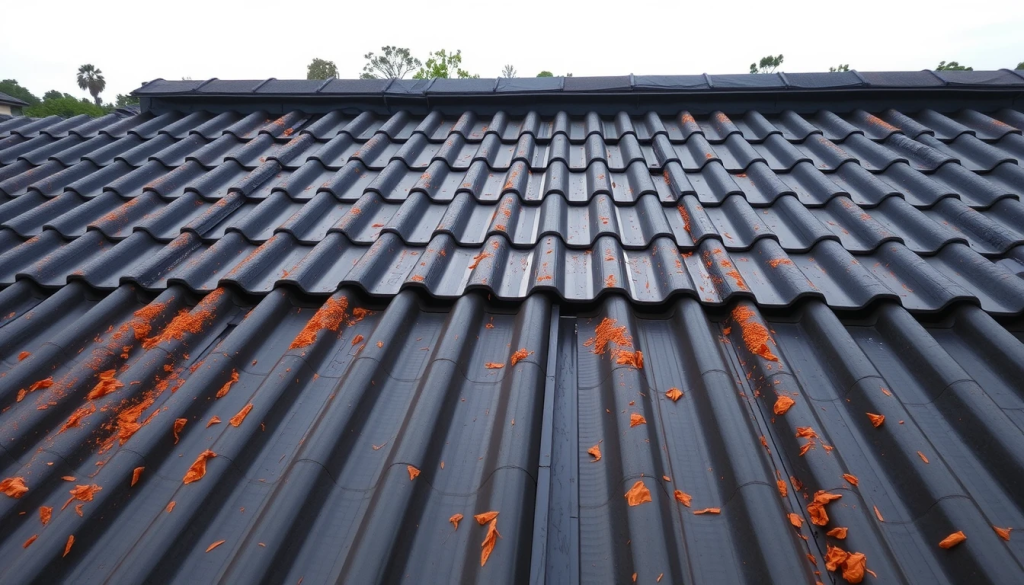
Your Colorbond roof may be leaking due to poor installation, aging materials, harsh weather conditions, or inadequate maintenance. To fix the issue, start by inspecting the entire roof for damage, wear, or gaps, paying attention to areas around vents, chimneys, and skylights.
You’ll need to clean the roof and gutters, replace damaged or loose screws, re-seal cracked or loose flashing, and repair or replace corroded sheets. Applying additional sealants and coatings can also provide an extra layer of protection.
By addressing these potential causes and taking proactive steps, you’ll be well on your way to a watertight solution.
| Cause | Description | Prevention |
|---|---|---|
| Poor Installation | Improper sealing or fastening | Professional installation, regular inspections |
| Aging Materials | Wear and tear over time | Regular maintenance, timely replacements |
| Harsh Weather | Damage from wind, hail, or extreme temperatures | Weather-resistant coatings, regular post-storm inspections |
| Inadequate Maintenance | Neglecting routine checks and cleaning | Scheduled maintenance, gutter cleaning |
| Corrosion | Rust and deterioration of metal | Protective coatings, addressing scratches promptly |
Inspect and Locate the Leak
Start by taking a closer look at your Colorbond roof to identify the source of the leak.
- You’ll want to inspect the entire roof, paying close attention to areas around vents, chimneys, and skylights. Check for any signs of damage, wear, or gaps in the panels or flashing.
- Are the screws loose or missing? Are there any cracks or holes in the sealants? Make a note of any potential issues you find.
- As you inspect your roof, keep in mind that leak prevention is key. Regular maintenance is essential to preventing leaks and extending the life of your Colorbond roof.
- By identifying and addressing potential issues early on, you can save yourself from costly repairs down the line.
Fact: Colorbond roofs can withstand wind speeds of up to 232 km/h (144 mph) when properly installed. Reference: Australian Building Codes Board (ABCB) wind load calculations for metal roofing. Suggested placement
Some maintenance tips to keep in mind include checking your roof after heavy rainfall or extreme weather conditions, ensuring all screws and fasteners are secure, and inspecting your roof’s flashing and sealants regularly.
| Task | Frequency | Importance |
|---|---|---|
| Visual Inspection | Every 6 months | High |
| Gutter Cleaning | Every 3-4 months | High |
| Debris Removal | Monthly | Medium |
| Check for Loose Fasteners | Annually | High |
| Inspect Flashing | Annually | High |
| Professional Inspection | Every 2-3 years | Medium |
Clean the Roof and Gutters
Now that you’ve inspected your Colorbond roof and identified any potential issues, it’s time to tackle the dirt, debris, and leaves that can clog your gutters and downspouts.
- Roof maintenance is essential in preventing leaks, and gutter cleaning is a key part of this process. You’ll need to remove any debris from your gutters and downspouts to guarantee water can flow freely. Start by scooping out any leaves or twigs with a gutter scoop or trowel, and then flush the gutters with a hose to remove any remaining dirt or debris.
- As you clean your gutters, inspect them for any sagging or damage. Make sure they’re securely attached to your home and consider installing gutter guards to prevent future clogs.
- You should also trim any overhanging branches or trees to reduce the amount of debris that falls onto your roof. By keeping your gutters clean and clear, you can help prevent leaks and make certain your Colorbond roof remains in good condition.
Regular gutter cleaning is a simple yet effective way to maintain your roof and prevent costly repairs down the line. By prioritizing roof maintenance, you can rest easy knowing your home is protected from the elements.
Replace Damaged or Loose Screws
You’ve cleaned your Colorbond roof and gutters, but leaks can still occur if damaged or loose screws aren’t addressed. To prevent further damage, it’s essential to identify loose screws and replace any damaged fasteners that may be compromising your roof’s integrity.
Identifying Loose Screws
Inspecting your Colorbond roof for loose screws is an essential step in preventing leaks. You should regularly check your roof to verify all screws are tightened properly. Different screw types, such as self-tapping screws and wood screws, require distinct tightening methods. Familiarize yourself with the screw types used on your roof to conduct effective inspections.
- A loose screw can compromise your entire roofing system, allowing water to seep in and cause damage. Maintenance tips, like inspecting your roof after severe weather conditions or checking for screws that show signs of rust, can help prevent leaks.
- When inspecting, take note of screws that are loose, damaged, or missing. You may need to replace these screws to verify your roof’s integrity.
- A proactive approach to roof maintenance will save you time and money in the long run. Regular inspections can help identify potential issues before they escalate.
If you’re unsure about how to inspect or replace loose screws, consider consulting a professional. Remember, a well-maintained roof is essential for a secure and leak-free home.
Replacing Damaged Fasteners
Damaged or loose screws on your Colorbond roof can’t be ignored, as they can quickly lead to leaks and further damage. You’ll need to inspect and replace them to guarantee your roof remains secure.
- When replacing damaged fasteners, it’s vital to choose the correct type for your specific roof. Common fastener types used for Colorbond roofs include self-tapping screws, rivets, and clips. Selecting the right fastener type will guarantee a watertight seal.
- Proper installation techniques are also essential when replacing damaged fasteners. Always follow the manufacturer’s instructions for the specific fastener type you’re using. Make sure to screw or rivet the fasteners firmly into place, taking care not to overtighten, which can damage the surrounding material.
- Additionally, inspect the surrounding area for any signs of wear or damage, and make repairs as needed.
By correctly replacing damaged fasteners and using proper installation techniques, you can prevent leaks and guarantee your Colorbond roof remains in good condition.
Re-Seal Cracked or Loose Flashing
A cracked or loose flashing is often the culprit behind a leaky Colorbond roof. You’ll need to inspect the flashing around chimneys, vents, skylights, and valleys to identify any gaps or damage. If you find any, don’t panic, you can re-seal them relatively easily.
- When re-sealing cracked or loose flashing, it’s vital to use compatible flashing materials to guarantee a watertight seal. You may need to use a combination of sealants, such as silicone or polyurethane-based products, depending on the type of flashing and the severity of the damage. The key is to choose a sealant that’s compatible with the existing flashing materials and can withstand the elements.
- Proper installation techniques are also significant when re-sealing flashing. Make sure to clean the area thoroughly before applying the new sealant, and follow the manufacturer’s instructions for application and drying times.
- If you’re not comfortable with heights or unsure about the process, consider hiring a professional to guarantee the job is done correctly. By re-sealing cracked or loose flashing, you can prevent further water damage and extend the lifespan of your Colorbond roof.
| Sealant Type | Pros | Cons | Best For |
|---|---|---|---|
| Silicone | Flexible, UV resistant | Can be expensive | Joints and flashings |
| Polyurethane | Durable, paintable | Less flexible than silicone | General purpose sealing |
| Acrylic | Inexpensive, easy to apply | Less durable | Temporary repairs |
| Butyl | Good for metal-to-metal | Can degrade in sunlight | Lap joints |
Repair or Replace Corroded Sheets
Somewhere on your Colorbond roof, you may have sheets that have begun to corrode. This is a common issue, especially in areas with high humidity or saltwater exposure. Corrosion can weaken the structure of your roof, leading to leaks and further damage.
To address this, you’ll need to repair or replace the corroded sheets. As you inspect your roof, look for signs of corrosion, such as:
- Rusty patches or streaks
- Flaking or peeling paint
- Swollen or buckled sheets
- Cracks or holes
- Discoloration or staining
If you’ve identified corroded sheets, it’s essential to take action to prevent further damage. Regular maintenance tips can help prevent corrosion, such as cleaning your roof regularly and ensuring proper drainage. However, if corrosion has already set in, you may need to replace the affected sheets. Consider consulting a professional for assistance with this process.
Apply Additional Sealants and Coatings
Once you’ve addressed any corroded sheets on your Colorbond roof, you can further protect it from leaks by applying additional sealants and coatings. There are various sealant types available, including silicone, polyurethane, and acrylic-based options. Each has its strengths and weaknesses, so it’s essential to choose the best one for your roof’s specific needs.
- When selecting a sealant, consider factors like durability, adhesion, and compatibility with your roof’s materials. You’ll also want to think about coating benefits, such as UV resistance, water repellency, and ease of application. Some coatings can also help reduce heat gain, which can lead to energy savings.
- Applying additional sealants and coatings can provide an extra layer of protection against leaks and extend the lifespan of your Colorbond roof. It’s a relatively straightforward process, but it’s vital to follow the manufacturer’s instructions and take necessary safety precautions.
If you’re unsure about which sealant or coating to use or how to apply it, consult a professional roofer for guidance. By taking this extra step, you can enjoy a leak-free roof for years to come.
| Aspect | DIY | Professional |
|---|---|---|
| Cost | Often comes with a warranty | Higher cost but potentially cheaper long-term |
| Skill Required | Basic to moderate | High |
| Time Investment | Can be time-consuming | Quick and efficient |
| Quality of Repair | Varies based on skill | Generally high quality |
| Warranty | Usually none | Often comes with warranty |
| Safety Risk | Higher | Lower |
Frequently Asked Questions
Can I Fix a Colorbond Roof Leak by Myself or Need a Professional?
You can attempt DIY repairs on a Colorbond roof leak, but it’s essential you’re comfortable with heights and have basic roofing knowledge; otherwise, consider hiring a professional for proper roof maintenance and to guarantee the job’s done correctly.
How Long Does a Colorbond Roof Last Before It Starts Leaking?
Generally, it can last 30 to 50 years or more, depending on lifespan factors like climate, installation, and maintenance tips you follow.
Will My Homeowner’s Insurance Cover a Colorbond Roof Leak Repair?
You’ll need to check your homeowner’s insurance policy to see if it covers Colorbond roof leak repairs. Many insurance policies offer leak coverage, but the extent of coverage varies, so review your policy carefully.
Can I Use Any Type of Sealant to Fix a Colorbond Roof Leak?
You can’t use just any sealant to fix a Colorbond roof leak; you’ll need to choose from specific sealant types designed for metal roofs to guarantee effective leak prevention and long-lasting repair.
Are Colorbond Roof Leaks More Common in Certain Weather Conditions?
You’ll notice that Colorbond roof leaks are more common in certain weather conditions, especially during heavy rainfall or strong winds. Understanding local weather patterns can help prevent leaks and guarantee a watertight seal for your roof.
Conclusion
In conclusion, Colorbond roof leaks can be effectively addressed through regular inspection, maintenance, and timely repairs. By identifying issues early, cleaning your roof and gutters, replacing damaged components, and applying appropriate sealants, you can significantly extend the lifespan of your roof and prevent costly water damage.
Remember, while some repairs can be DIY projects, don’t hesitate to consult a professional for complex issues or if you’re unsure. With proper care, your Colorbond roof will continue to protect your home for decades to come.
Secure your home today! Call 0483 982 422 or email us tmr@roofrepairsbentleigheast.com.au for a free roof inspection and quote.